Get Inground Sprinkler Installation
Inground sprinkler installation services help property owners efficiently water lawns and gardens by involving local contractors who handle system setup, repairs, and upgrades.
Inground sprinkler installation is a practical solution for property owners seeking efficient and reliable lawn and garden irrigation. Whether establishing a new system or upgrading an existing one, proper planning and professional installation can help ensure even water distribution, conserve water usage, and maintain healthy landscaping. Exploring options with experienced local contractors allows property owners to compare different approaches and find solutions tailored to their specific landscape needs.
For those considering an inground sprinkler system, understanding the available services and the expertise of local service providers can make the planning process more straightforward. Connecting with qualified local contractors can provide valuable insights into system design, installation techniques, and maintenance considerations. Continuing to explore your options can help identify the best solution for your property’s irrigation requirements.
- Inground Sprinkler System Installation - homeowners seeking to establish an automatic watering system for their lawn and garden.
- Sprinkler System Repair - property owners experiencing issues with uneven watering or broken sprinkler heads.
- Sprinkler System Upgrades - those looking to enhance or expand their existing irrigation setup for better coverage.
- Seasonal Sprinkler System Winterization - clients needing to prepare their irrigation system for winter to prevent damage.
- Sprinkler System Maintenance - homeowners wanting regular check-ups to ensure their sprinklers operate efficiently throughout the year.
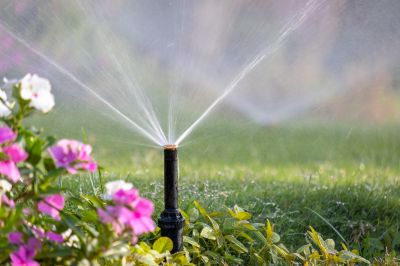
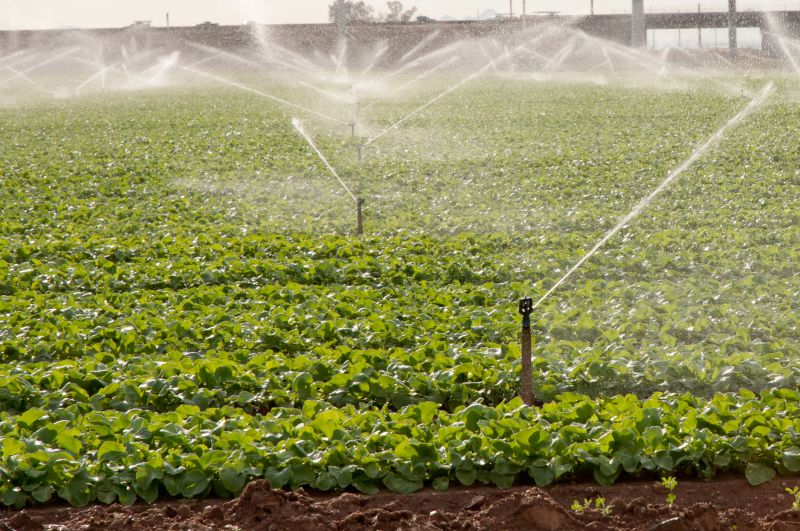
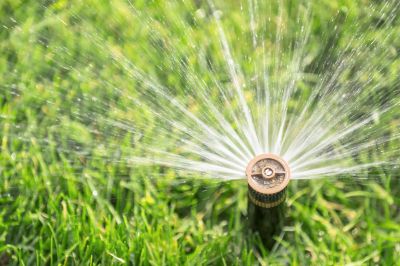
Inground sprinkler installation involves setting up an underground system designed to deliver water efficiently across a property's landscape. This service typically includes planning the layout, installing piping and sprinkler heads, and connecting the system to a water source. The goal is to create a consistent and reliable watering solution that helps maintain healthy lawns, gardens, and shrubbery with minimal manual effort. Homeowners seeking a neat, automated approach to irrigation often consider this service to ensure their outdoor spaces are properly cared for throughout the growing season.
This type of installation addresses common watering challenges such as uneven coverage, overwatering, or underwatering. It helps prevent issues like dry patches, overgrowth, and water waste, which can lead to higher utility bills and damaged plant life. An expertly installed inground sprinkler system can also reduce the time and effort required to keep outdoor areas lush and vibrant. By automating watering schedules, homeowners can enjoy a more consistent landscape appearance without the need for manual watering or temporary solutions like hoses and sprinklers.
Inground sprinkler systems are popular among a variety of property types, including residential homes, multi-family complexes, and small commercial properties. They are especially beneficial for properties with large lawns, flower beds, or landscaped areas that require regular watering. Homes with irregular yard shapes or hard-to-reach spots often find this service particularly useful, as it allows for customized coverage tailored to the specific layout of the property. Whether for a single-family residence or a community space, local contractors can help determine the most effective system design.
Homeowners who notice dry patches, uneven watering, or want to reduce manual watering efforts may find inground sprinkler installation to be a practical solution. This service is also suitable for those planning landscape upgrades or new lawn installations, ensuring the irrigation system is integrated seamlessly into the property. By connecting with experienced local service providers, homeowners can access the expertise needed to design, install, and maintain an efficient irrigation system that supports their outdoor living goals.
The overview below groups typical Inground Sprinkler Installation projects into broad ranges so you can see how smaller, mid-sized, and larger jobs often compare in your area.
In many markets, a large share of routine jobs stays in the lower and middle ranges, while only a smaller percentage of projects moves into the highest bands when the work is more complex or site conditions are harder than average.
Smaller Repairs - Typical costs for routine repairs, such as fixing a leak or replacing a zone valve, generally range from $250 to $600. Many common repair jobs fall within this middle range, with fewer projects reaching the higher end.
Partial System Installations - Installing new sprinkler zones or upgrading parts of an existing system usually costs between $1,000 and $3,000. These projects are common and tend to stay within this moderate cost band.
Full System Replacement - Replacing an entire inground sprinkler system can range from $3,500 to $7,000 or more, depending on yard size and system complexity. Larger, more complex projects tend to push costs into the higher tiers.
Complex or Custom Installations - Custom designs or extensive landscape integration can exceed $7,000, with some larger, more elaborate projects reaching $10,000+. Such jobs are less frequent but handled by local pros for specialized needs.
Actual totals will depend on details like access to the work area, the scope of the project, and the materials selected, so use these as general starting points rather than exact figures.
Landscape Drainage Projects - involve planning and installing underground piping systems to direct water away from properties, similar to the planning and trenching involved in sprinkler installation.
Underground Irrigation Systems - encompass installing complex watering systems that require precise layout, trenching, and system testing, aligning closely with inground sprinkler setup skills.
Garden Bed Irrigation - focus on installing localized watering solutions that require understanding of water flow, piping, and system integration, similar to larger sprinkler networks.
Spray Zone Installations - involve setting up spray heads and underground piping in specific areas, requiring similar planning and trenching techniques as inground sprinkler systems.
Yard Water Feature Installation - includes excavating and installing underground plumbing for ponds or fountains, which shares skills in trenching and underground piping with sprinkler installation.
Soil Preparation and Grading - involves shaping and preparing land for proper water flow and drainage, complementing the planning and site assessment skills used in sprinkler projects.
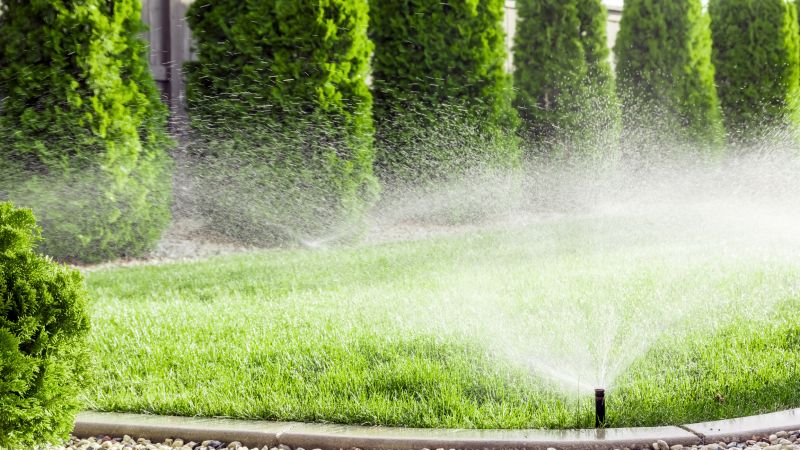
When comparing service providers for inground sprinkler installation, it’s important to consider their experience with similar projects. Look for local contractors who have a proven track record of completing sprinkler systems in properties comparable to yours. An experienced professional will understand the nuances of different yard layouts, soil types, and existing landscaping, which can influence the quality and longevity of the installation. Asking about past work or requesting examples of completed projects can help gauge their familiarity with the specific challenges that may arise in your area.
Clear, written expectations are a key part of a successful project. Reputable local contractors should be able to provide detailed descriptions of the scope of work, materials to be used, and the process involved. This transparency helps ensure that both parties are aligned on what the installation will entail, reducing misunderstandings or surprises later on. When reviewing proposals or estimates, pay attention to how well the contractor articulates the steps involved and whether they offer a comprehensive plan that covers all aspects of the installation.
Good communication and reputable references are essential when selecting a service provider. Reliable local pros should be willing to share references from previous clients or provide testimonials that demonstrate their professionalism and quality of work. Clear communication throughout the process helps keep the project on track and allows for questions or concerns to be addressed promptly. By gathering feedback from past customers, homeowners can gain insights into the contractor’s reliability, responsiveness, and overall satisfaction, which can be valuable in making an informed decision.
Property owners use Inground Sprinkler Installation services for practical projects around their homes and businesses. This guide focuses on everyday jobs and straightforward project options.
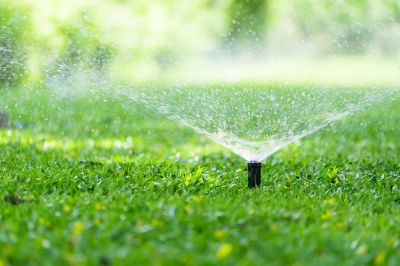
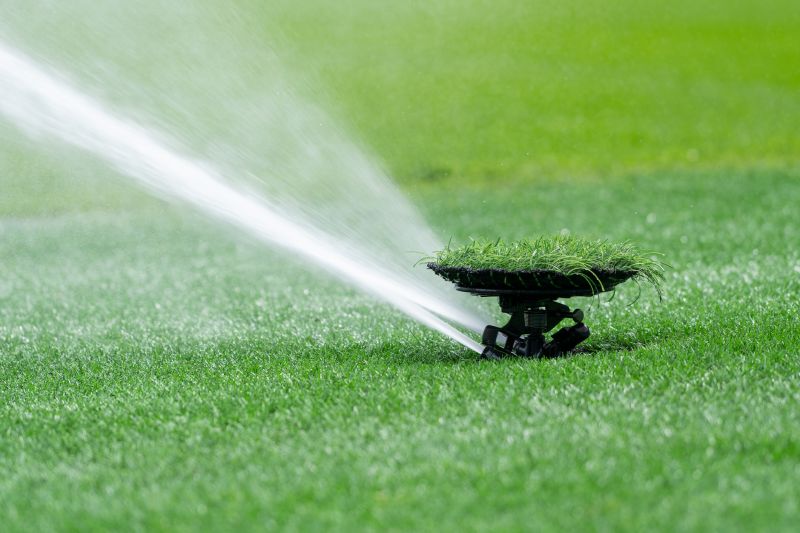
Inground sprinkler installation is a common project for property owners looking to maintain a healthy, green lawn with minimal effort. Many local homeowners seek professional services to ensure their irrigation systems are properly designed and installed, especially when replacing outdated equipment or creating new landscaping layouts. Whether establishing a new sprinkler system for a freshly landscaped yard or upgrading an existing setup to improve coverage, local contractors can provide solutions tailored to the specific needs of each property.
Property owners often turn to local service providers for inground sprinkler installation when they want a reliable, efficient way to manage watering schedules and reduce manual effort. This work can be particularly important during dry seasons or in areas with irregular rainfall, where consistent irrigation helps keep lawns and gardens thriving. Local contractors are equipped to handle various project situations, from simple installations to more complex systems that accommodate different zones and landscape features.
What are the benefits of installing an inground sprinkler system? An inground sprinkler system helps ensure your lawn receives consistent watering, improves water efficiency, and can enhance the overall appearance of your landscape.
How do local contractors typically install inground sprinkler systems? Contractors assess the property's layout, plan the sprinkler zones, dig trenches for piping, install sprinkler heads, and connect the system to a water source, then test for proper coverage.
Can existing irrigation systems be upgraded or expanded? Yes, many local service providers can upgrade or expand existing sprinkler systems to improve coverage or incorporate new zones based on the property's needs.
What types of sprinkler heads are commonly used in inground systems? Common types include spray heads for small areas, rotor heads for larger zones, and drip emitters for garden beds, all selected based on watering requirements.
What maintenance is needed after an inground sprinkler system is installed? Regular checks for clogged or damaged heads, adjusting spray patterns, and scheduling seasonal system inspections can help maintain optimal performance.
Efficient Lawn Irrigation - Installing an inground sprinkler system helps ensure your lawn receives consistent watering, promoting healthy grass growth throughout the season.
Water Conservation - A professionally installed system can reduce water waste by delivering precise amounts of water where and when it's needed.
Convenient Yard Maintenance - Automating your watering schedule with an inground system makes yard care easier, freeing up time for other outdoor projects.
Property Value Enhancement - A well-maintained sprinkler system can improve curb appeal and contribute to the overall attractiveness of a home.
If you are thinking about Inground Sprinkler Installation for a property, this guide is meant to help you understand the work, the typical project types, and how different options might fit your plans.
When you are ready, you can use the quote form on this page to share a few details about your project. From there, local pros can review the basics and respond with options that match what you have in mind.